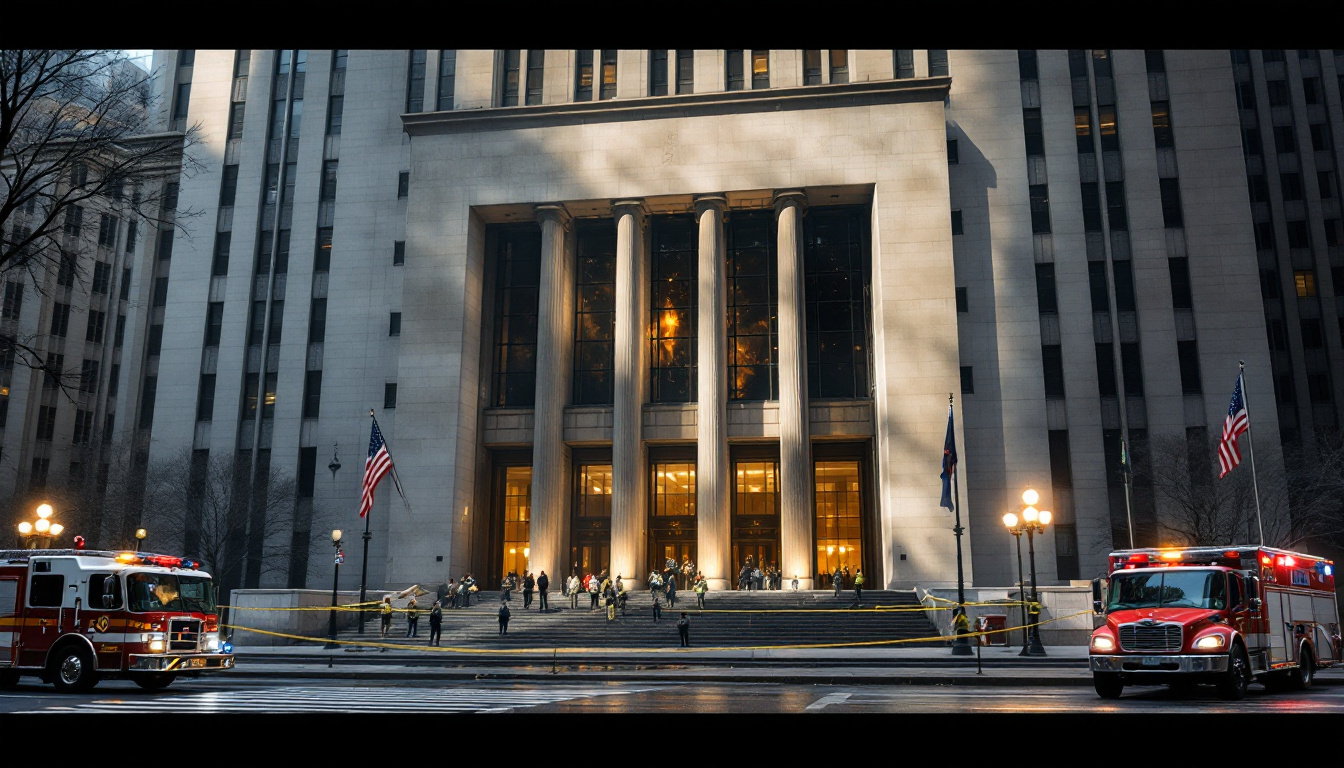
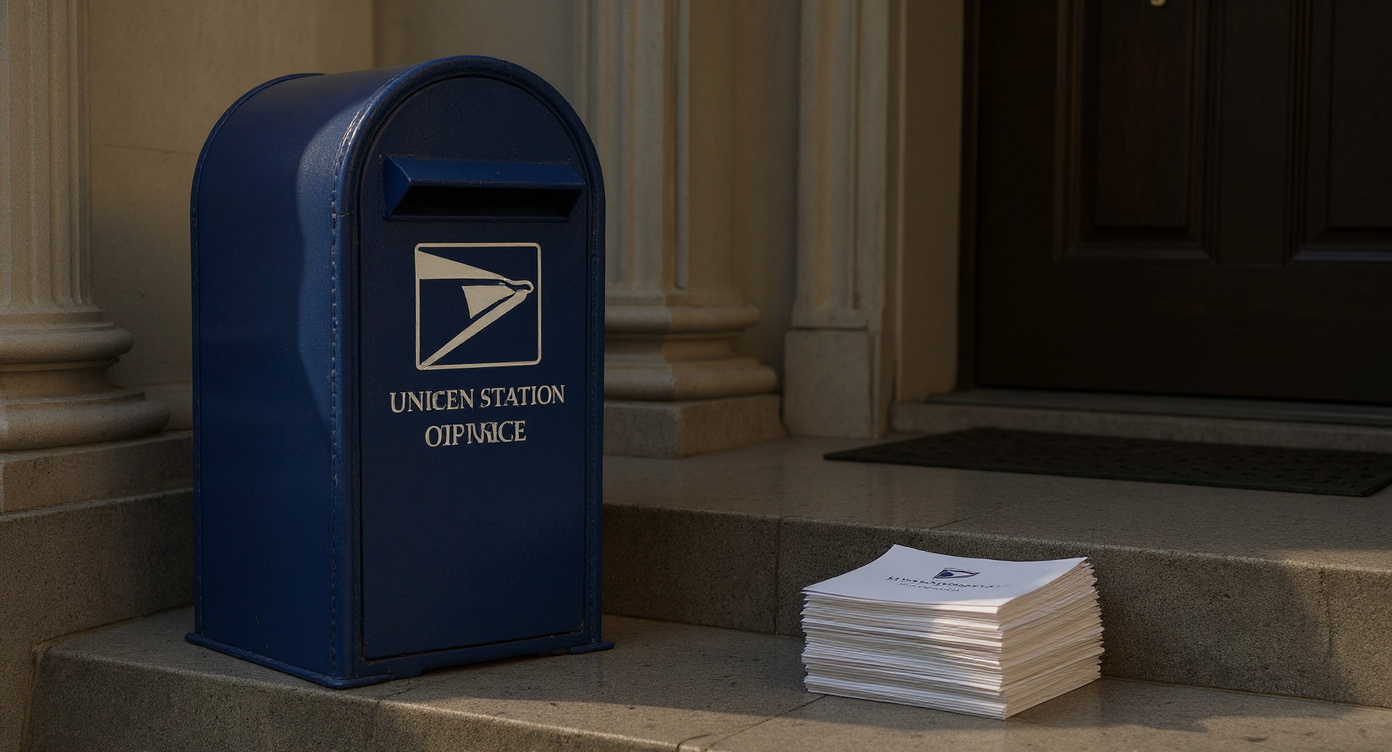
The D.C. Circuit Court of Appeals issued a temporary stay on Friday, lifting a lower court's injunction and allowing the U.S. Postal Service to move forward with a rule that could reshape how mail-in voting works in every state that refuses to verify its voter rolls. The rule is simple: prove your voters are eligible, or USPS won't deliver the ballots to be counted.
Sixteen states already complied. The ones that didn't are exactly the ones you'd expect.
The ruling stems from Executive Order 14399, titled "Ensuring Citizenship Verification and Integrity in Federal Elections," signed by President Trump in March 2026. The directive instructs USPS to require states sending mail-in ballots to provide voter eligibility lists. If a state won't submit its rolls for verification, USPS "shall not transmit" those ballots. A lower court had blocked the rule. The D.C. Circuit just unblocked it.
Bill Essayli, the First Assistant U.S. Attorney, framed the stakes clearly: "This ruling is a win for election integrity and would have significant implications for states like California that refuse to submit their voter rolls to verify compliance with federal election laws."
California is the elephant in the room — and the reason the ruling matters beyond legal theory. According to the Public Interest Legal Foundation, the state had over 10 million outstanding ballots with unknown status during the 2022 midterms. Ten million. Not returned, not counted, not accounted for. Just floating in the system somewhere between a mailbox and a landfill.
The states that have already cooperated with the eligibility verification read like a map of functional governance: Wyoming, South Dakota, Nebraska, Ohio, Indiana, Texas, Alaska, Louisiana, Mississippi, Arkansas, Tennessee, South Carolina, Florida, Missouri, Kansas, and Montana. Sixteen states that looked at the requirement to confirm their voters are actually eligible and said, "Yeah, we can do that."
The holdouts — California and a handful of other blue states — are treating voter roll verification like it's an unreasonable imposition. The same states that require ID to buy cough syrup can't manage to confirm that the people on their voter rolls are citizens. The legal framework isn't new. The National Voter Registration Act of 1993 and the Help America Vote Act of 2002 both established voter eligibility standards at the federal level. What's new is an administration willing to enforce them.
The court fight isn't over. A temporary stay isn't a final ruling, and the blue-state attorneys general will appeal everything they can. But the D.C. Circuit's willingness to lift the injunction signals that the legal foundation under this executive order is stronger than opponents hoped.
What matters heading into 2026 midterms is the practical effect. States that cooperate keep their mail-in systems running. States that refuse to verify eligibility face the possibility that USPS simply won't carry their ballots. That's not voter suppression — that's a verification requirement with consequences.
The election integrity fight spent years stuck in the opinion section. Editorials, tweets, cable news segments — lots of noise, very little structural change. This is structural change. A federal appeals court just told states that if they want the postal service to deliver their ballots, they need to prove the recipients are eligible to cast them.
Ten million unaccounted-for ballots in one state during one election. Sixteen states that passed verification without breaking a sweat. The question for the holdouts was never whether they could comply. It was whether they wanted to.