Fuel costs for New York City apartment buildings rose 11% last year. Insurance jumped 10.5%. And the Rent Guidelines Board just voted to raise rents by exactly zero percent — this year and next.
The landlords still have to pay the bills. They just can't charge the people who live in them more to cover the costs.
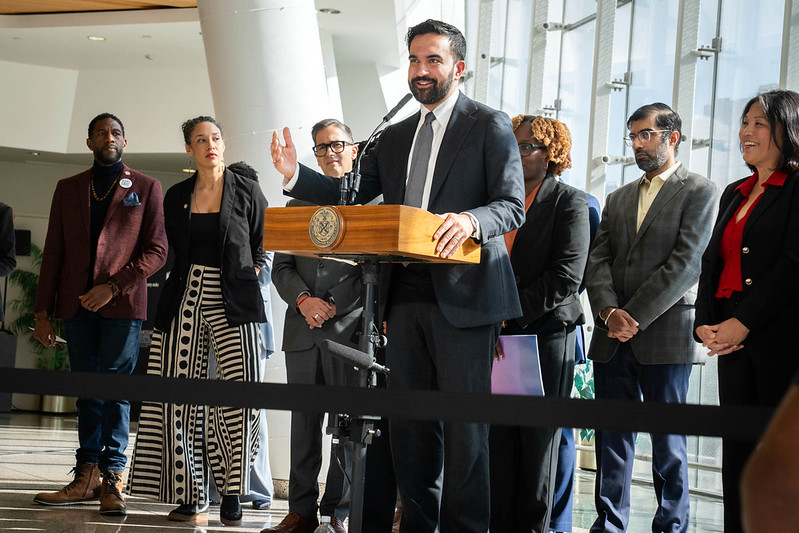
New York City Mayor Zohran Mamdani, the Democratic Socialist who swept into Gracie Mansion on the DSA wave, got exactly what he wanted from the RGB. And one board member, Christina Smyth — originally appointed by former Mayor Eric Adams — admitted the quiet part out loud. The decision, she said, "was decided last year on the campaign trail." Not in a hearing room. Not after reviewing operating cost data. On the campaign trail.
Smyth went further, telling landlords who might consider converting their rent-stabilized units into affordable housing cooperatives: "If so, I will do everything I can to assist them in being successful." The message wasn't subtle. Get out of the landlord business, or we'll help you get out of it.
As former New York Lt. Governor Betsy McCaughey detailed in a piece for AMAC, the math is already breaking the system from the inside. A 2019 state law capped what landlords can spend renovating a vacant apartment and recover through rent at $50,000. In a city where gut renovations regularly run three or four times that, the economics of fixing up an empty unit and re-renting it simply don't work. The result: an estimated 57,000 "zombie" apartments sitting vacant across the city. Not because landlords are greedy. Because the government made it financially suicidal to renovate them.
Fifty-seven thousand empty apartments in a city with a housing crisis. That's not a market failure. That's a policy failure with a return address.
But Mamdani isn't content with just freezing rents while costs climb. On May 29, he announced the next phase. The city would "take aggressive legal action" to seize buildings from owners he deems irresponsible and "transfer ownership to responsible stewards — stewards that include community land trusts, nonprofits and even the tenants themselves." Fewer than 30 properties were subject to this kind of confiscation in 2024. Mamdani wants to expand it.
The Fifth Amendment to the Constitution has something to say about the government taking private property. Justice Clarence Thomas has called the constitutionality of New York's rent regulations "an important and pressing question" — though the Supreme Court declined to take up challenges to the system in both 2023 and 2024. The legal architecture protecting property owners exists, but nobody's tested it at the scale Mamdani is building toward.
The administration's argument, stripped to its bones, is that housing is too important to leave to people who own it. Landlords who can't maintain buildings under a regime that forbids them from raising rents or recouping renovation costs aren't victims of bad policy — they're bad stewards who deserve to lose their property. It's a framework where the government creates the conditions for failure, then punishes the failure it created.
McCaughey drew the historical comparison directly: Cuba, Venezuela, 1917 Bolshevik Moscow. The pattern is the same. Freeze prices below the cost of providing a good. Watch the supply deteriorate. Blame the providers. Seize the assets. Call it justice.
What makes Mamdani's version distinctive is the bureaucratic polish. He's not nationalizing housing with a decree. He's using a regulatory board to make ownership untenable, a renovation cap to make vacancies permanent, and a legal process to transfer the wreckage to "community stewards" — entities that have never demonstrated they can manage large-scale housing better than the private owners being squeezed out.
The 57,000 zombie apartments aren't going to fix themselves. Landlords facing a second consecutive year of zero rent increases against double-digit cost hikes aren't going to pour money into buildings the mayor has publicly mused about seizing. And tenants in deteriorating units aren't going to benefit from a community land trust that hasn't been built yet.
The rent freeze doesn't freeze costs. It just determines who absorbs them. And when the people absorbing them go broke, the city gets their buildings.
That's not a housing policy. That's an acquisition strategy.