Admiral Ahmadian, speaking on behalf of Iran’s new Supreme Leader, Mojtaba Khamenei, had a message for the United States military this week. It was not a plea for ceasefire. It was not a diplomatic signal. It was a dare.
“Now, we have just one message for the American soldiers: Come closer.”
He added that Tehran has spent more than two decades developing asymmetric warfare strategies specifically designed to confront U.S. forces. He said this while his country’s Supreme Leader is dead, his navy is at the bottom of the ocean, his nuclear sites are rubble, and his missile launch rate has collapsed 90 percent from where it started.
President Trump appears to have received the message. He is taking Iran up on the offer.
The Pentagon is sending a significant new wave of forces into the Middle East theater, on top of the approximately 50,000 American troops already stationed in the region.
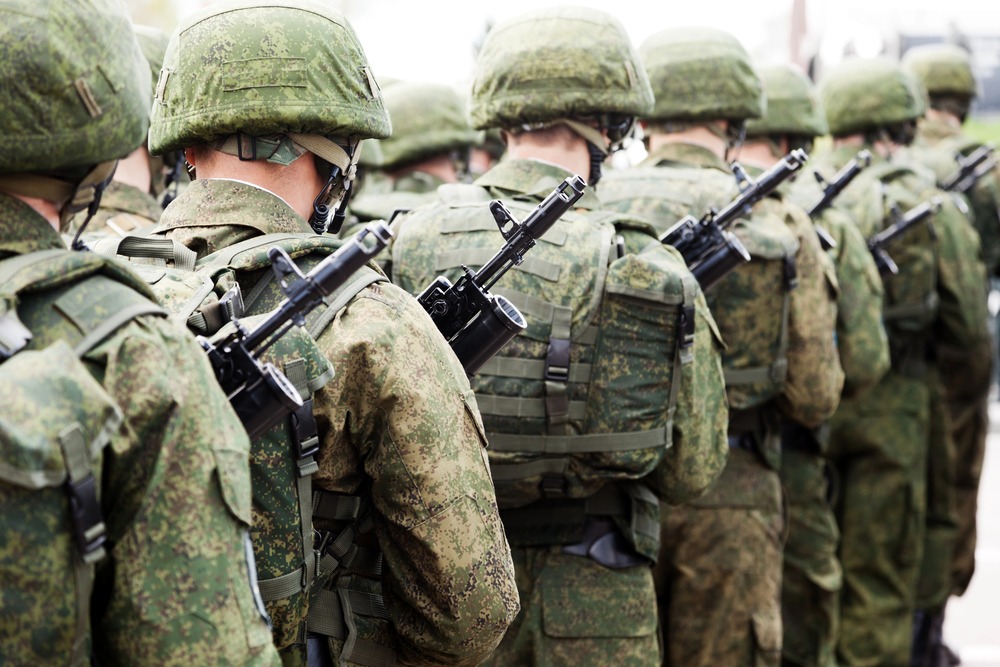
At least 1,000 troops — and potentially up to 3,000 — from the 82nd Airborne Division’s 1st Brigade Combat Team are deploying to the Middle East in the coming days. The division commander himself, Major General Brandon Tegtmeier, is going with them. The 82nd Airborne is not a garrison force. It is not a peacekeeping unit. It is specifically trained to parachute into hostile or contested territory to seize key terrain and airfields within 18 hours of notification. When the 82nd Airborne gets on a plane, there is a reason.
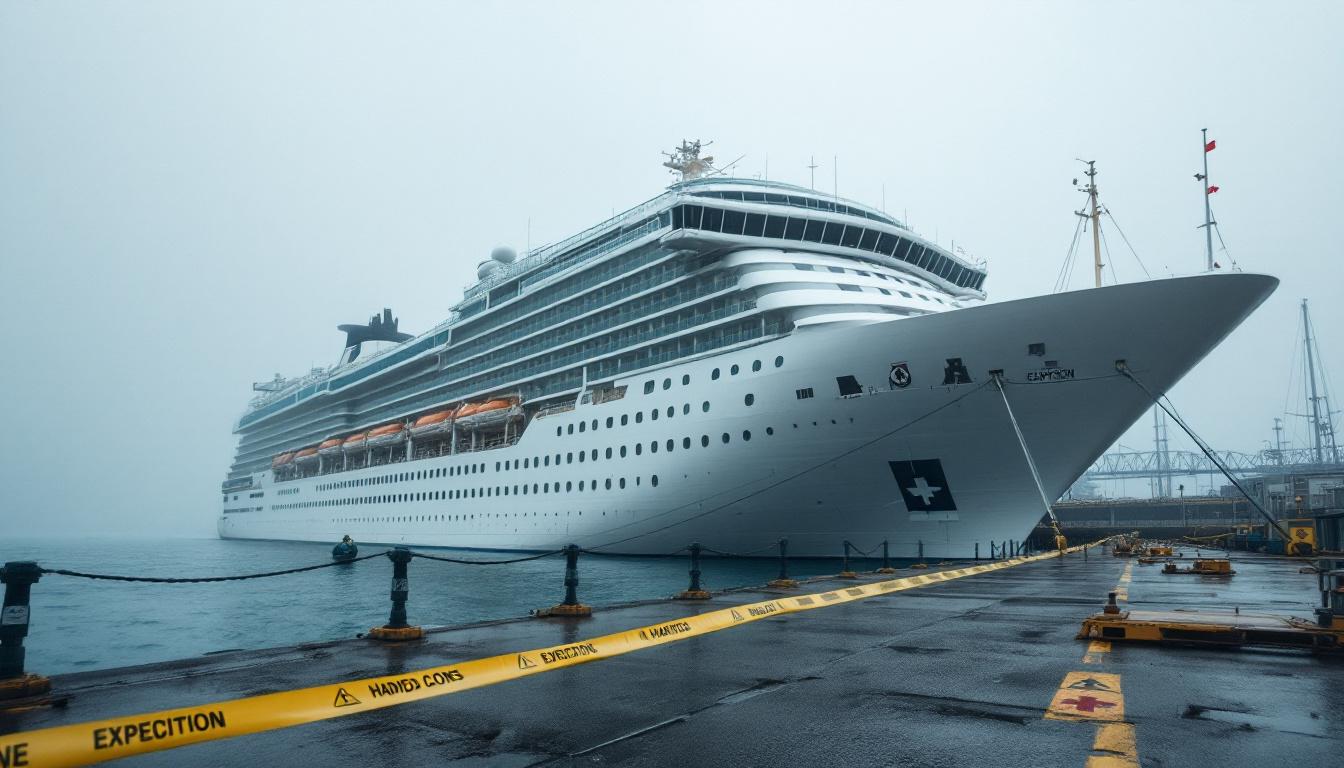
Simultaneously, 2,500 additional Marines are deploying aboard the USS Boxer as part of a Marine Expeditionary Unit, with 2,500 accompanying sailors aboard the Tripoli Amphibious Ready Group — including the USS Tripoli, USS San Diego, and USS New Orleans. Marine Expeditionary Units are built for amphibious operations, crisis response, and rapid transitions from sea to shore.
What the Ground Option Looks Like
Military planners have reportedly identified Kharg Island as a potential ground operation target. Kharg Island handles approximately 90 percent of Iran’s oil exports. Seizing it would not merely degrade Iran’s military capacity — it would eliminate the regime’s primary source of revenue and apply economic pressure of a kind that air strikes alone cannot achieve.
The combination of the 82nd Airborne’s airfield-seizing capability and the Marines’ amphibious capacity is not an accident of scheduling. These are the exact force packages you assemble when you want a credible ground option — one that threatens Iran’s military infrastructure, its oil economy, and its ability to project any remaining power, from any direction, on any timeline the Commander-in-Chief chooses.
White House spokeswoman Anna Kelly, when asked about the deployments, chose her words carefully: “President Trump always has all military options at his disposal.”
The Regime That Dared Them
Admiral Ahmadian’s “come closer” taunt was delivered from a position of almost complete military collapse. The Iranian regime that spent 20 years preparing asymmetric warfare strategies for exactly this confrontation has lost its Supreme Leader, its IRGC commander, its Defense Minister, its Army Chief, its Intelligence Minister, and its Basij commander. Its air defenses are 80 to 90 percent degraded. Its navy is gone. Its nuclear enrichment program has been assessed as obliterated. Its missile launches are down 90 percent.
The asymmetric warfare Iran prepared — the proxy networks, the drone swarms, the mine-laying capabilities — has been steadily dismantled by 25 days of relentless air campaign. What remains is a regime whose foreign minister denies wanting a ceasefire in public while quietly contacting the CIA through back channels to ask for terms.
And yet the Iranians are still trying to dare the U.S. into more strikes against them.
President Trump said in March that he was not putting troops “anywhere” — while also saying “we will do whatever is necessary.” Those two statements are not in contradiction. The 82nd Airborne’s deployment is not an invasion order. It is a signal — the kind of signal that a regime with no navy, no air defenses, no nuclear program, and no functioning missile force should take very seriously.
What Happens Next
The five-day pause in strikes on Iranian power plants — announced Tuesday after Trump cited “productive conversations” and 15 points of agreement — suggests the military buildup is serving its intended diplomatic purpose. Iran’s public denials of talks and private back-channel activity tell the same story they have told for weeks: a regime managing its exit while trying to preserve face.
The 82nd Airborne parachuting into hostile territory to seize airfields is the option Iran chose to invoke. Trump has put the forces in place to exercise it. Whether he exercises it depends entirely on whether Iran’s government decides that the admiral’s bravado was worth the price of finding out what “come closer” actually brings through their door.
Twenty years of asymmetric warfare preparation. One dead Supreme Leader. Forty-three sunken ships. Fifty-eight thousand American troops in the region and more arriving daily.
Come closer, indeed.