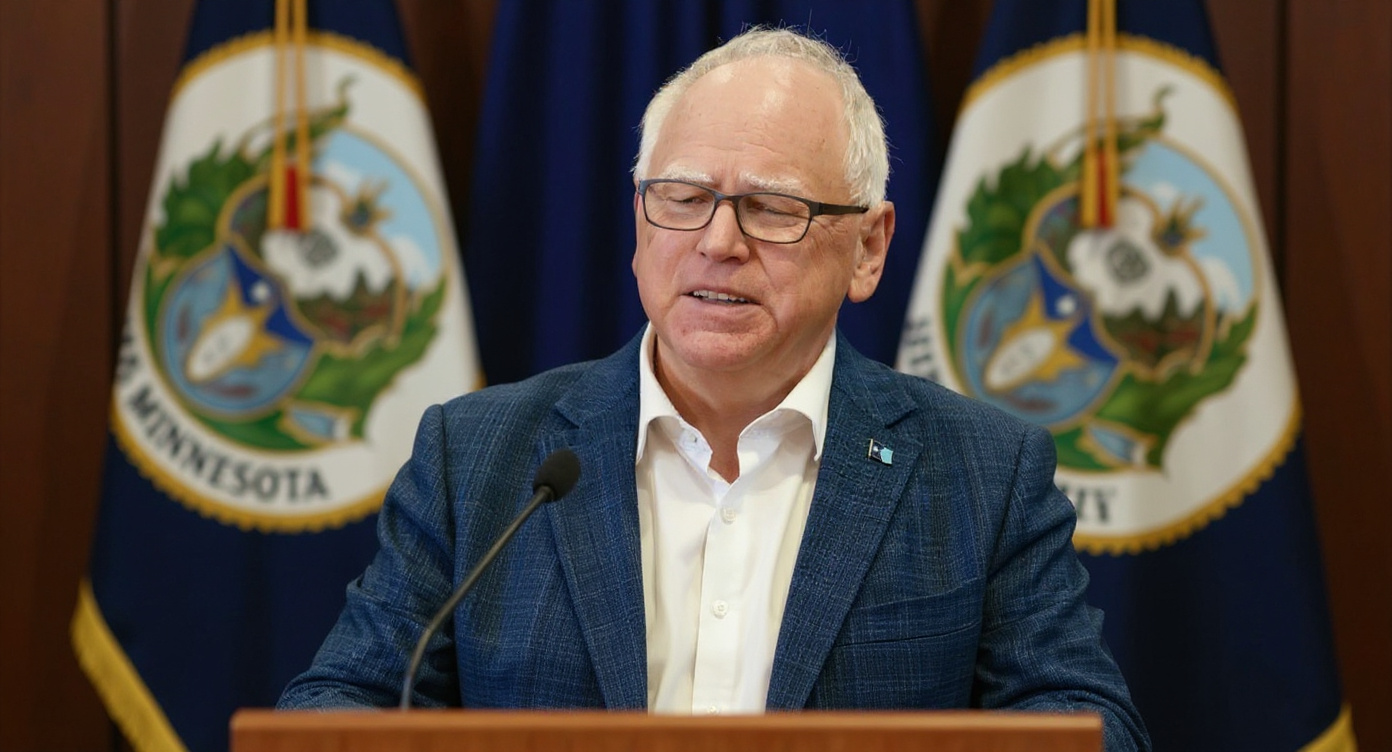
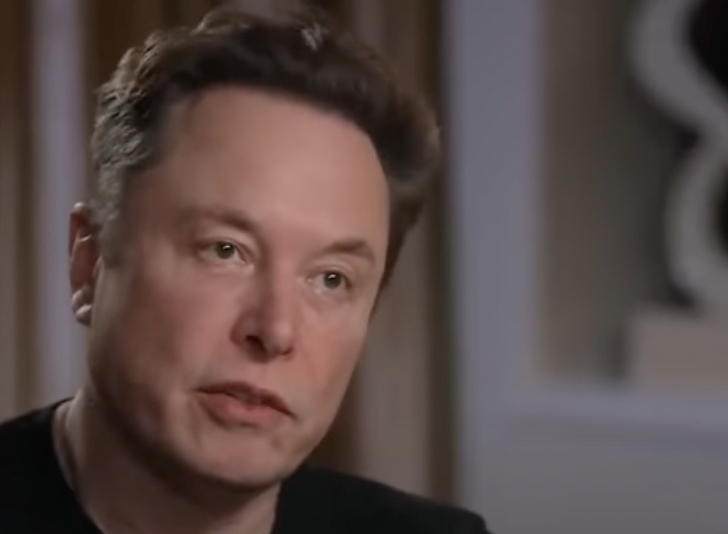
Rep. Ro Khanna went on camera and named the specific private citizen whose wealth he wants the federal government to seize. "You know how we can pay off all of this student loan debt?" Khanna said. "Tax Elon Musk! Tax the billionaires!"
The total outstanding student loan debt in the United States is $1.87 trillion. Ro Khanna's plan is to take one man's money.
That's the entire proposal. A sitting United States congressman pointed at a specific American and said: him. Take his money. As reported by Twitchy, the exchange went badly for Khanna almost immediately, because someone in the room could apparently do arithmetic.
Even if the federal government could constitutionally confiscate every dollar Elon Musk has ever earned — liquidate his stock, seize his companies, drain every account — you still wouldn't cover $1.87 trillion in student loan debt. The math doesn't work. It's not close to working. Khanna either knows this and doesn't care, or doesn't know it and shouldn't be proposing fiscal policy on television.
This is the same rhetorical lane occupied by Sen. Elizabeth Warren, who has spent years arguing that "taxing the billionaires" is the answer to every spending question without ever producing a scenario where the numbers add up. Khanna has joined that tradition with enthusiasm, if not with competence.
What makes the clip remarkable isn't just the bad math. It's the specificity. Khanna didn't say "tax the wealthy" or "close loopholes" or even "raise marginal rates." He named Elon Musk. He pointed at one man's bank account on national television and told the audience that's where their student loan relief lives.
That's not tax policy. That's a confiscation pitch with a name attached.
The irony, of course, is that Ro Khanna's own net worth sits at roughly $232 million. He is not a man who arrived in Congress from the working class and discovered the injustice of wealth inequality. He is a man worth a quarter of a billion dollars who has decided the problem is someone else's quarter of a trillion dollars.
The student loan crisis is real. Roughly $1.87 trillion in outstanding debt affects millions of borrowers who were told a degree was the only path to the middle class and are now paying for that advice well into their forties. That's a policy failure worth addressing seriously.
But "take Elon Musk's money" isn't a serious address. It's a bumper sticker that doesn't survive contact with a calculator. The proposal doesn't solve the underlying cost problem, doesn't reform the lending system that created the debt, and doesn't explain what happens after you've drained one billionaire and the balance sheet still has twelve zeros on it.
A congressman worth $232 million proposed solving a $1.87 trillion problem by seizing one man's assets on live television. The math collapsed. The clip went viral. And somewhere, a staffer is already drafting the fundraising email.